
-
Filter
-
Filter
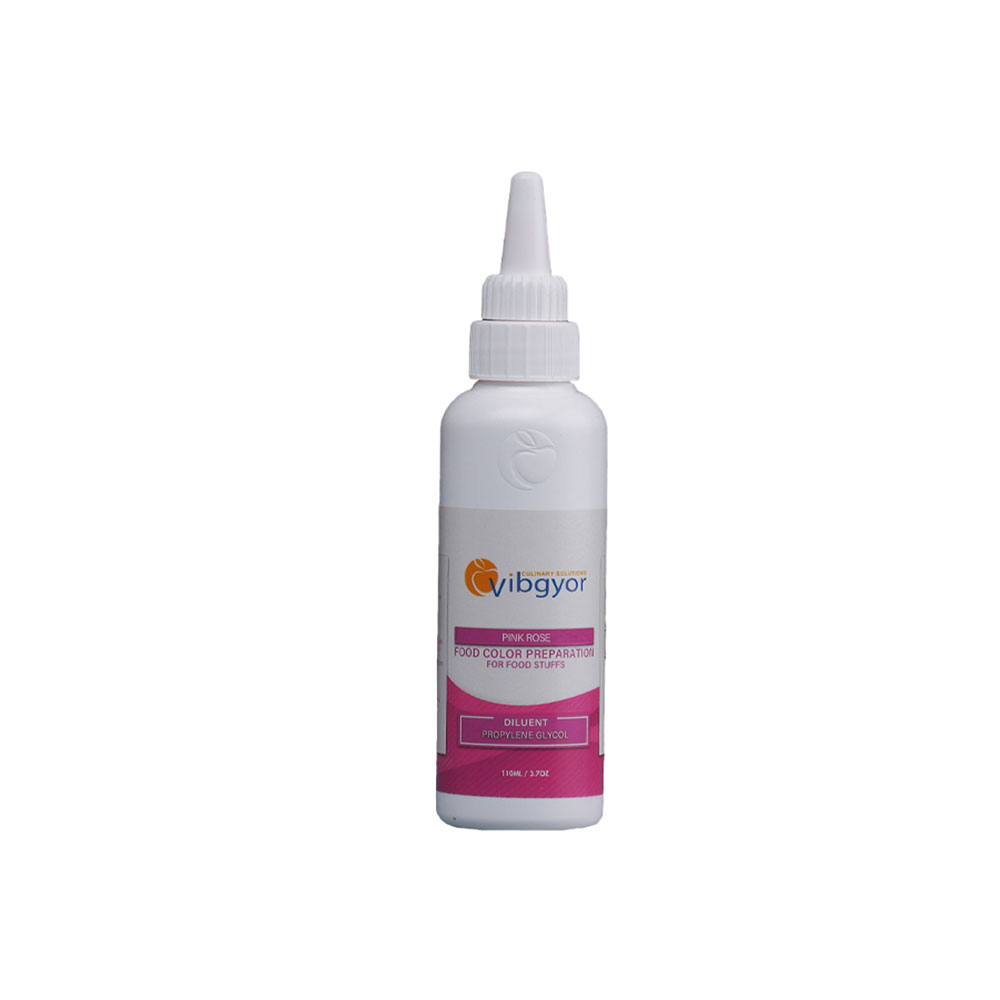
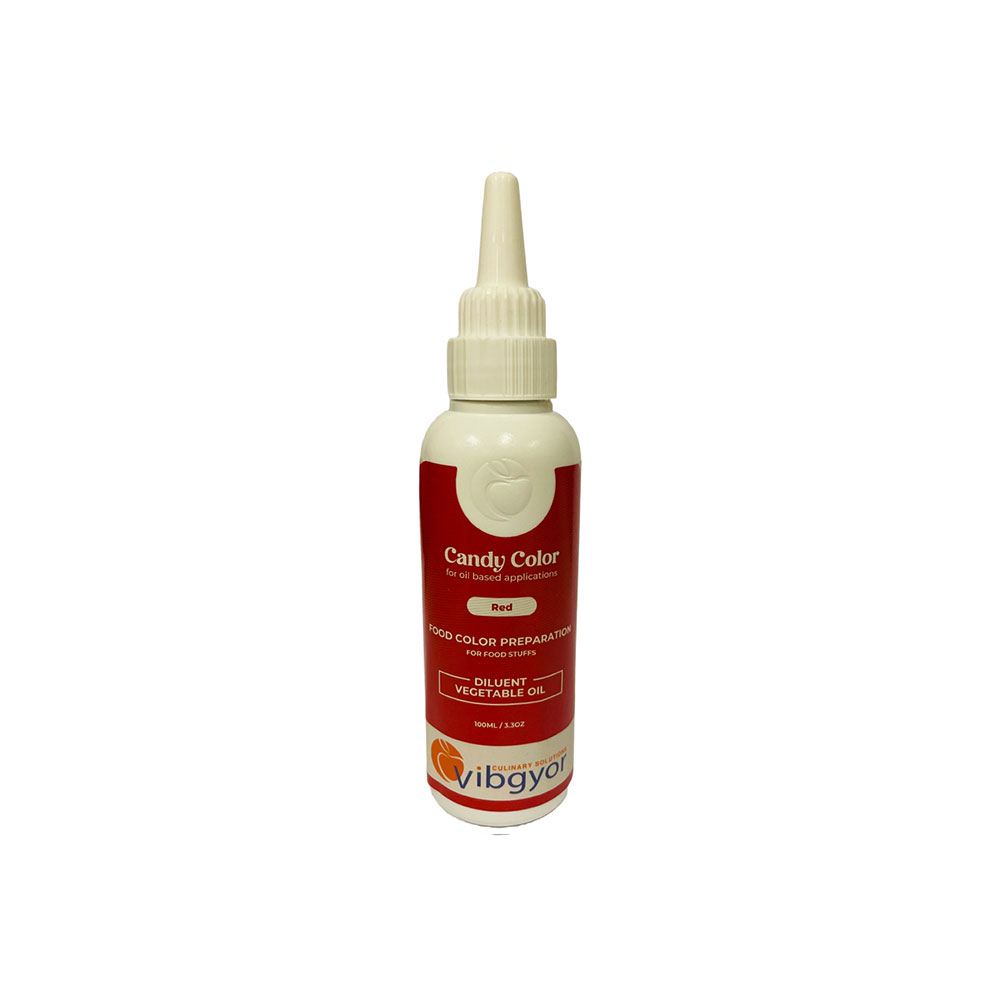
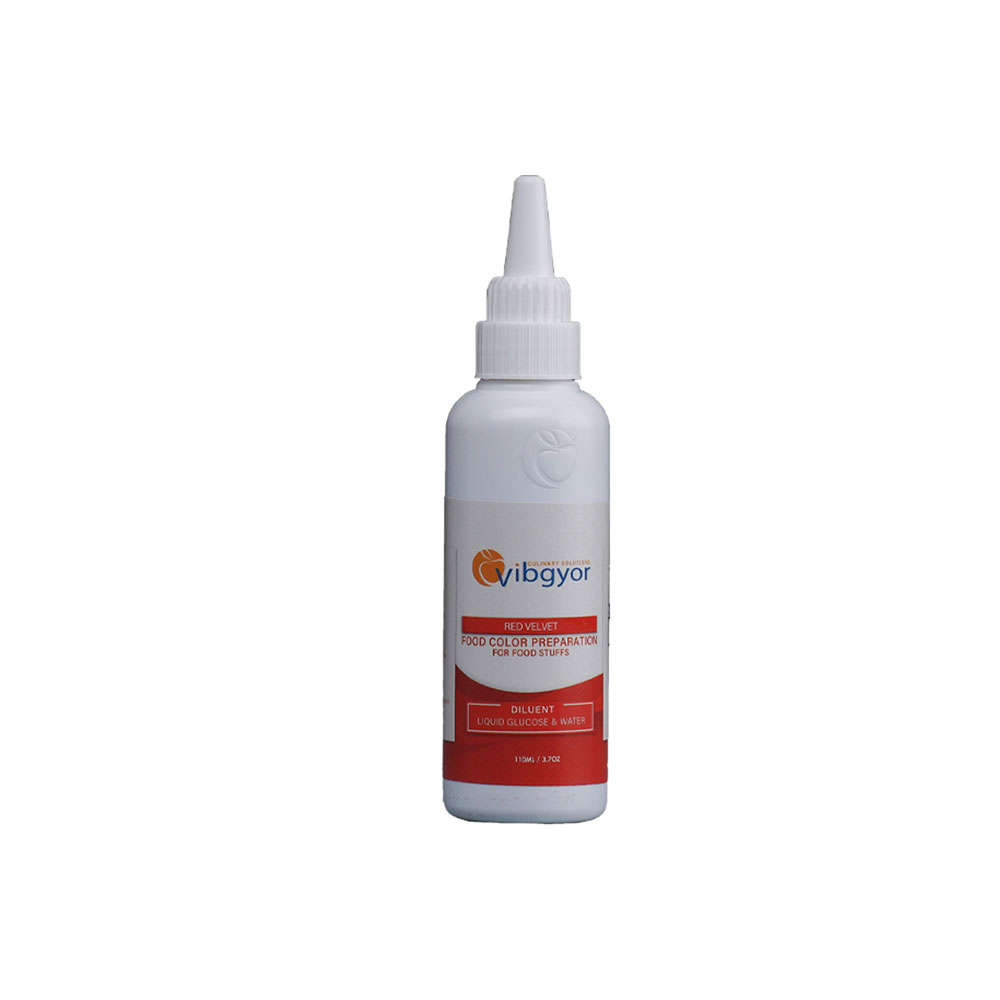
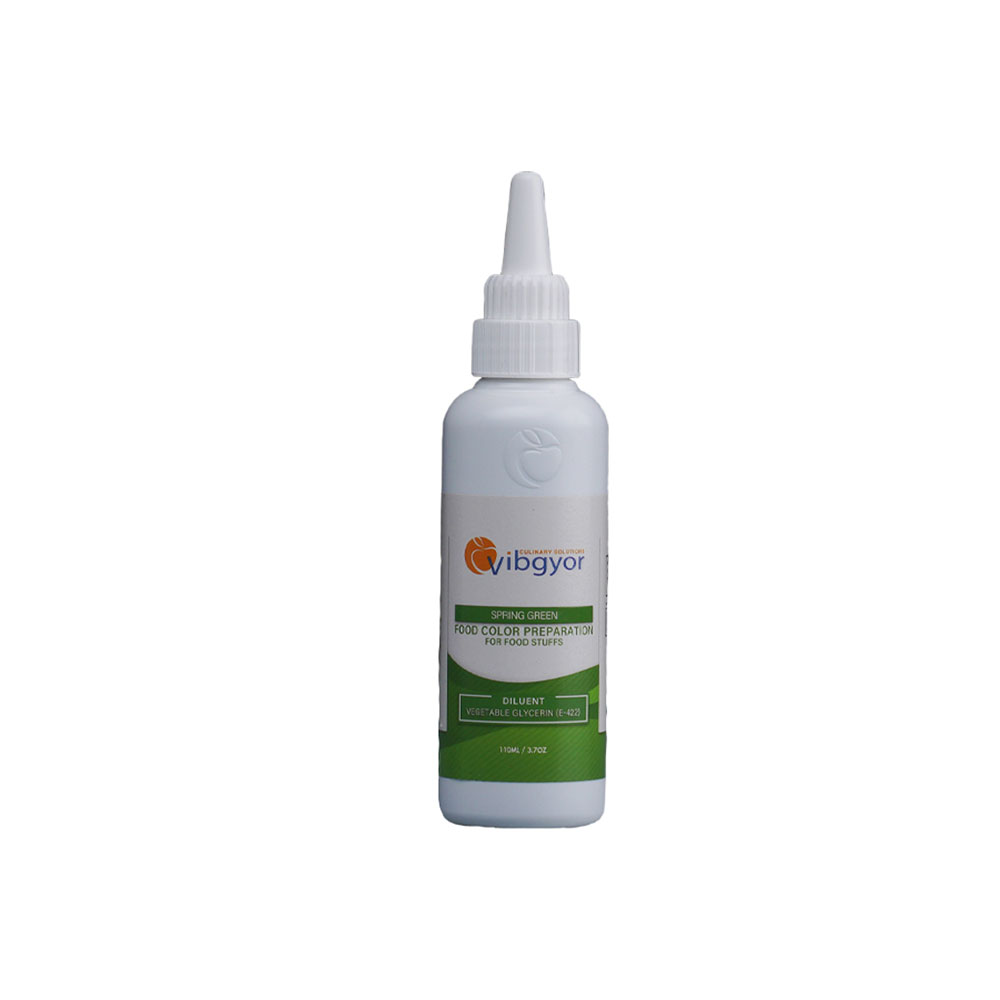
Food Colors in Pakistan
A gel that sets a buttercream rose perfectly can seize the moment it touches melted chocolate. A liquid colour that tints icing without a second thought will thin out a boiling candy syrup until it refuses to set. Picking food colour isn’t really about choosing a favourite shade — it’s about matching the base, oil, water, or dry pigment, to whatever is actually going into the pan. Here’s how the formats sold under our Vibgyor range differ, where each one belongs, and what’s worth checking before you order.
Gel, Liquid, Oil-Based and Powder: What Actually Separates Them
Every food colour is built around a different carrier, and that carrier decides how it behaves once it meets heat, fat, or sugar.
- Gel colour is thick and concentrated. A few drops shift a shade without adding meaningful liquid, which matters in buttercream, fondant, and stiff batters where extra moisture throws off texture.
- Liquid (water-based) colour, our Vibgyor Gel Food Coloring line, disperses fastest in wet mixes — cake batter, icing, doughs, and cold or thin drinks. It’s the easiest to blend but the least concentrated, so pastel and mid-tones are its strength.
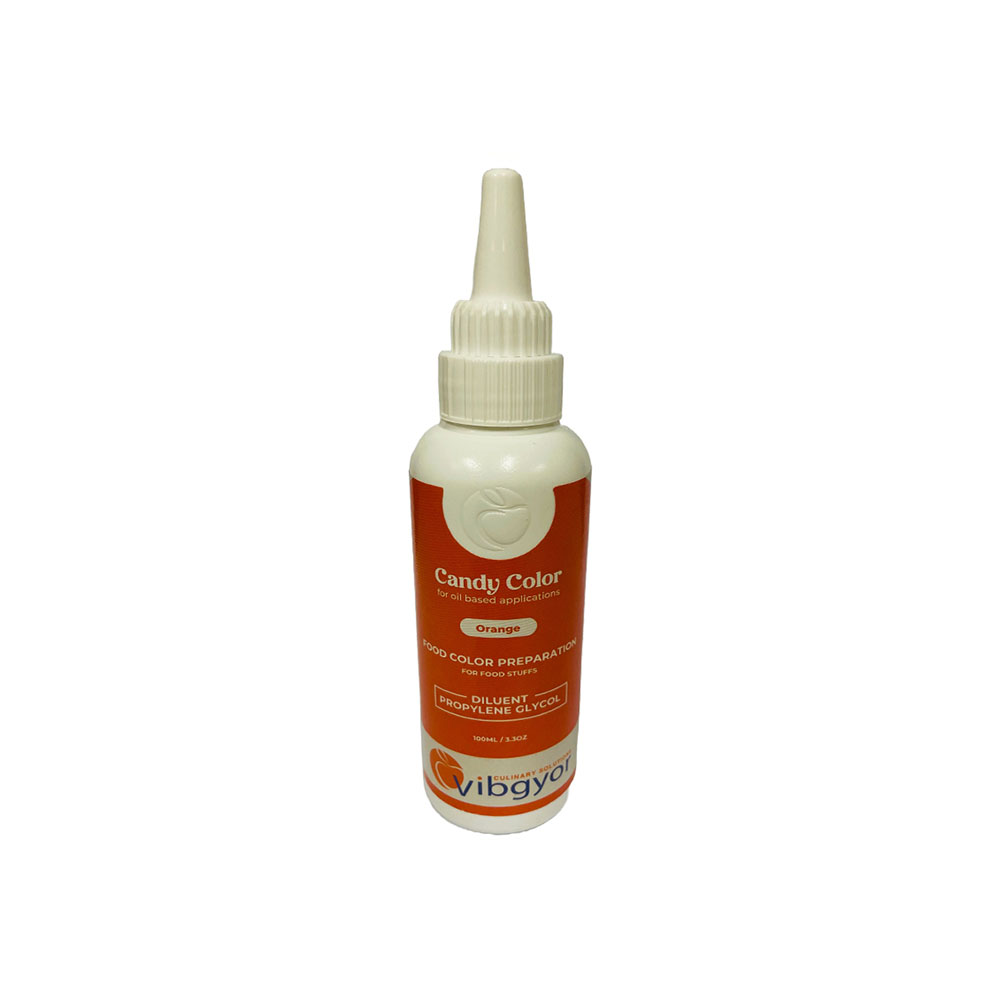
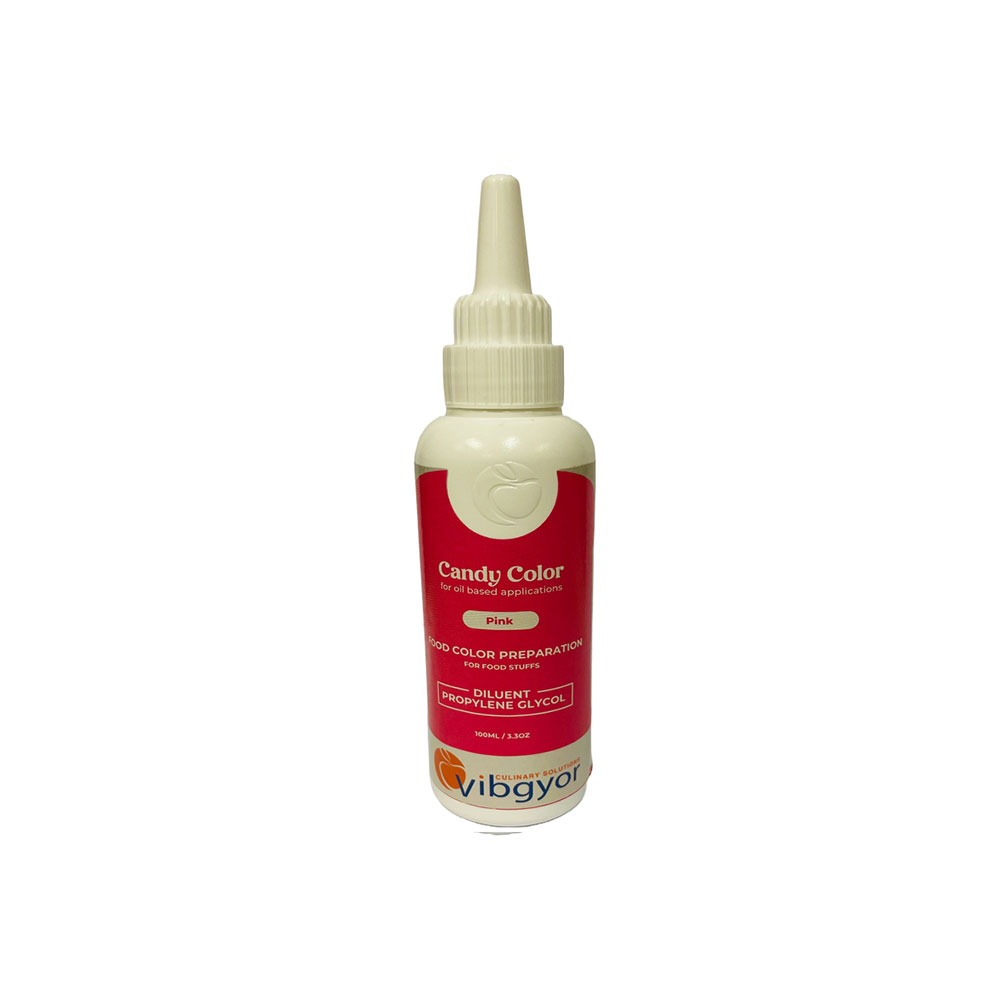
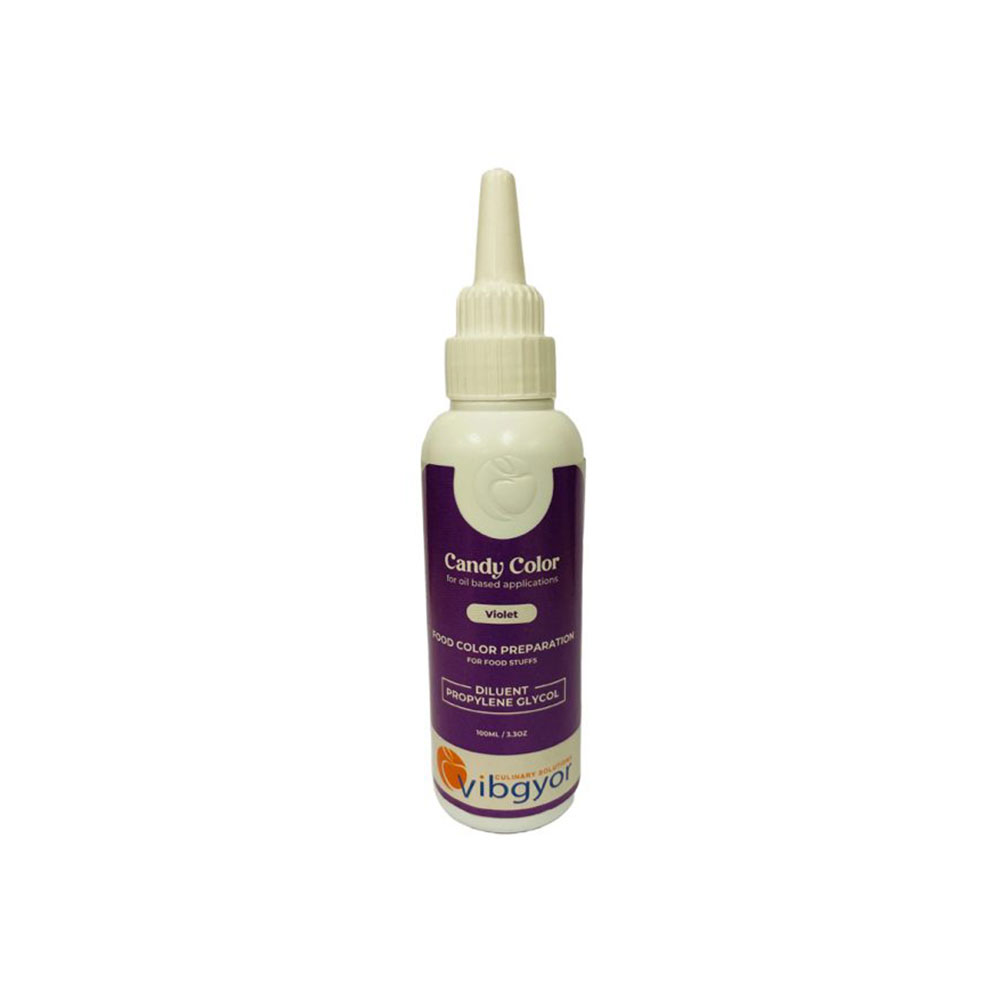
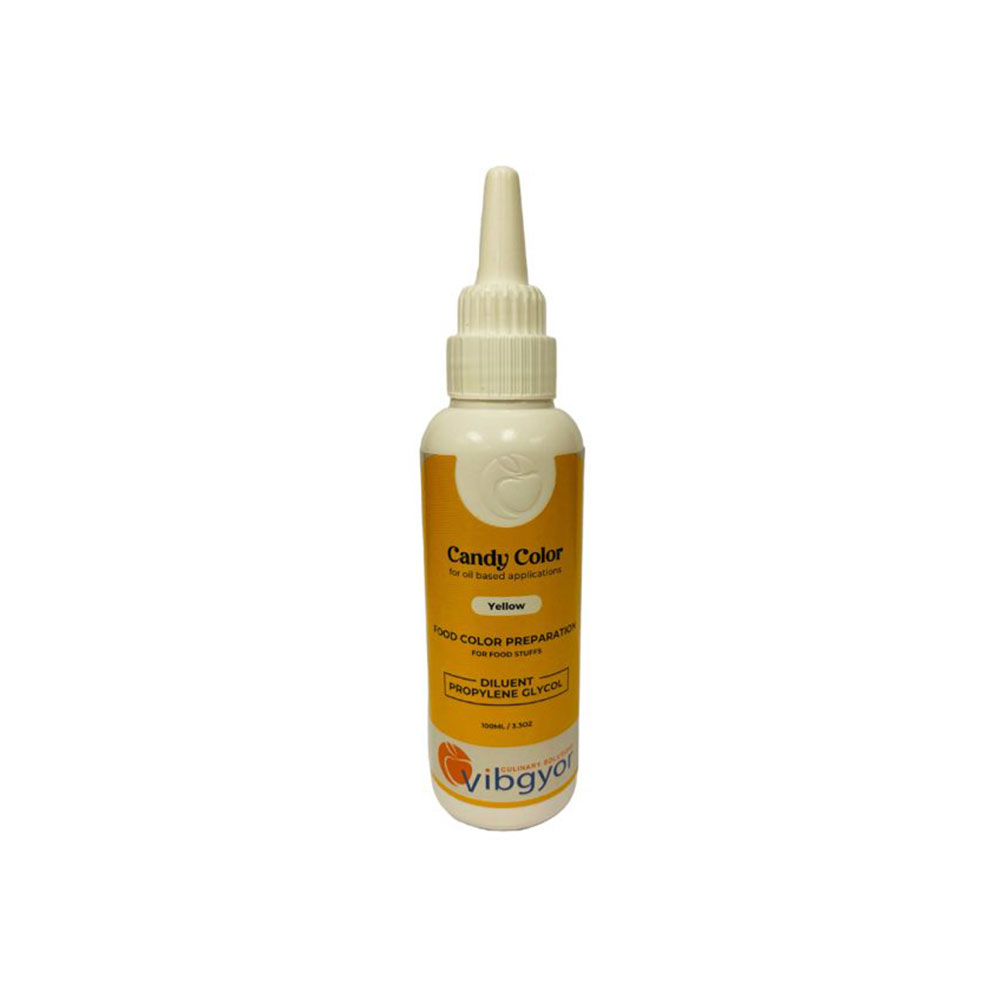
- Oil-based candy colour is made for anything containing fat or no water at all: melted chocolate, candy melts, and lollipop syrup. Water-based colour dropped into melted chocolate will cause it to seize and turn grainy — the oil base avoids that entirely.
- Powder and metallic dust colour carries no liquid at all. It’s used dry for dusting, or bloomed in a small amount of alcohol, lemon extract, or syrup before painting onto cakes, chocolates, or sugar work.
Matching the Format to What You’re Making
Cakes, Cupcakes and Buttercream
Gel or liquid both work; gel is the better call once you’re chasing anything past a pastel, since it won’t loosen the batter or icing the way repeated drops of liquid colour can.
Chocolate, Candy Melts and Lollipops
Stay oil-based. Our Candy Colors range (Blue, Brown, Green and similar shades) is formulated for exactly this — anything water-based will seize compound chocolate or candy melts on contact.
Fondant and Sugar Work
Gel is standard here too. It kneads in cleanly without softening the fondant, which liquid colour tends to do if used in any real quantity.
Ice Cream, Sherbet and Beverages
Liquid colour disperses fastest in cold or thin liquids and needs no kneading or blooming, which makes it the practical choice for drinks, sherbet, and soft-serve bases.
Metallic and Festive Finishes
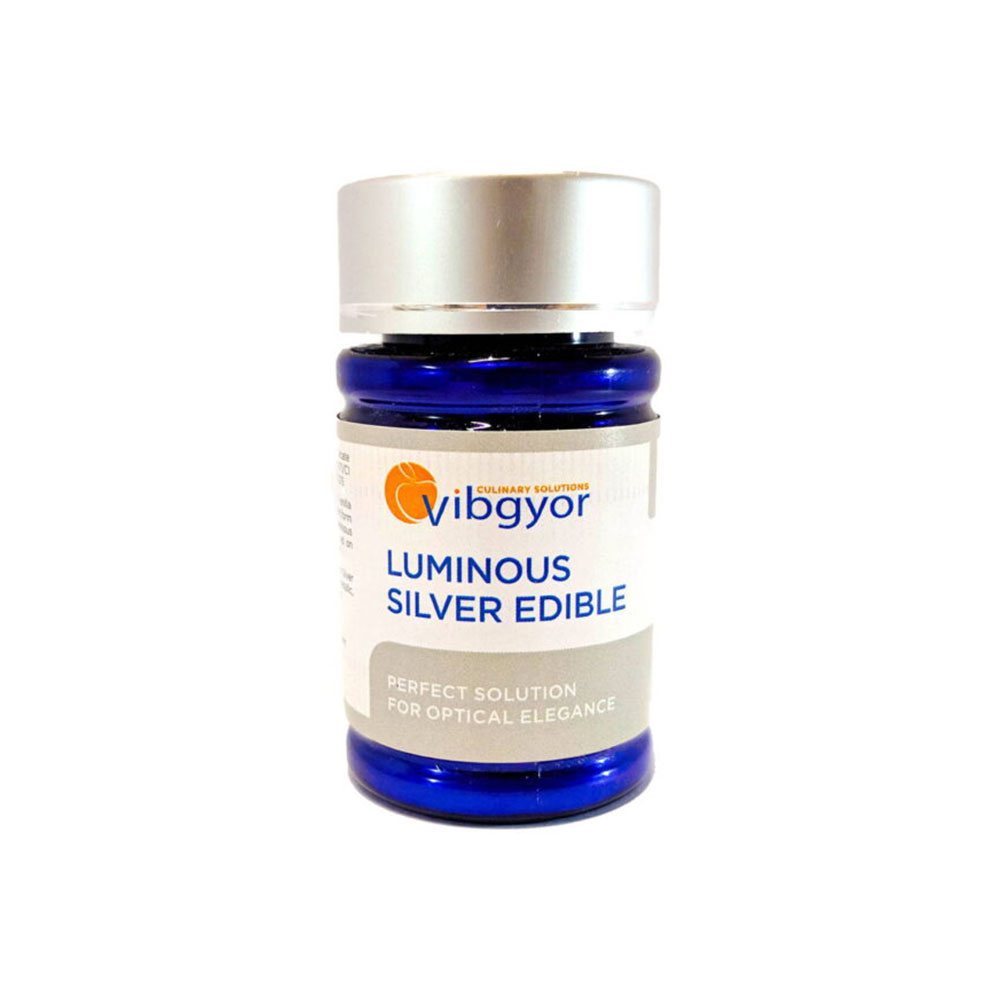
Dust colours such as Luminous Gold Dust or Scarlet Ruby Red are for decoration, not mixing into batter. Bloom a small amount in a food-safe liquid — vodka or lemon extract both evaporate cleanly — and paint it onto fondant, chocolate, or a finished cake. This is where most wedding-season and Eid cake decorating in Pakistan happens.
Getting the Shade Right Without Guessing
Deep, saturated tones like black, burgundy, or true red are the ones people usually get wrong. Adding more liquid colour to reach that depth waters down batter or icing before the shade ever arrives — gel gets there with far less volume. Going the other way, if a colour reads too bold, tone it down with a touch of brilliant white food colour rather than plain water, which keeps the consistency of what you’re colouring intact. Custom tones — a dusty rose, a sea green — are usually a base Vibgyor shade plus a small amount of a second colour rather than a separate bottle, so it’s worth testing on a small batch before committing a full mix.
What to Check Before You Order
- Base type is stated clearly — oil-based candy colour and water-based liquid colour are not interchangeable, and the product name or category (Candy Colors vs. Vibgyor Gel Food Coloring) tells you which one you’re looking at.
- Bottle size against actual use — a 110ml bottle of liquid colour disappears faster than the same volume in gel, since gel is used in drops rather than teaspoons.
- Shelf life after opening — most colours hold well for months if the cap is sealed properly between uses, but it’s worth checking before buying in bulk for a one-off event.
- Delivery timing during peak season — Eid, wedding season, and exam-result cake orders all spike demand at once; if there’s no EFA outlet in your city, order with enough lead time to allow for shipping.
- Price per recipe rather than per bottle — a smaller gel bottle that lasts several bakes is often better value than a larger liquid bottle used up in one or two.
Storing Colour So It Doesn’t Dry Out or Separate
Keep bottles capped tightly and out of direct sunlight or heat — a hot kitchen shelf will thin gel over time and shorten its shelf life. Oil-based candy colours can separate on standing; a quick shake before use brings them back together. Gel nozzles dry out fastest if colour is left to cake around the opening, so wipe it clean after each use. Powder and dust colours are the most sensitive to moisture — a damp spoon or a humid store can clump the whole jar, so scoop with a dry utensil every time.
Frequently Asked Questions
What’s the difference between gel and liquid food colour?
Gel is thick and concentrated, so it adds colour without adding much liquid — useful in buttercream, fondant, and stiff batters. Liquid color is water-based so it moves faster and is better for thinner mixes such as cake batter, icing and drinks.
Can I use liquid food colour in chocolate or candy melts?
No. Water-based liquid colour will cause melted chocolate or candy melts to seize and turn grainy. Use an oil-based candy colour instead — it’s made specifically for fat-based mixes with no water content.
How much food colouring should I use in a recipe?
Start with a small amount — a few drops of gel or liquid, or a pinch of powder — and build up gradually. Gel and powder are more concentrated than liquid, so far less is needed to reach the same depth of colour.
Do metallic dust colours need to be mixed with something before use?
For dusting, they can be used dry. For painting onto cakes, chocolate, or fondant, bloom a small amount in a food-safe liquid such as vodka or lemon extract first, since both evaporate cleanly and leave the metallic finish intact.
How long does an opened bottle of food colour last?
Most gel and liquid colours stay usable for several months if the cap is sealed tightly after each use and the bottle is kept away from heat and direct sunlight. Powder colours last longest when kept completely dry.
Is powder colour the same as gel colour?
No. Powder and dust colours carry no liquid and are mainly used for dusting or decorative painting once bloomed in a liquid, while gel is a concentrated paste mixed directly into batter, icing, or fondant.